How we Got here
Life Backup Plan was born of firsthand experience navigating complex health, safety, and life challenges largely alone, often while ill or recovering, without the coordination needed to share information effectively or avoid repeating the same details across fragmented systems. The experience made clear that there had to be a better way.
So I Built One
Lived Experience ...
and then some ...
Life Backup Plan has its roots in a practical problem I kept encountering while managing my own health and life logistics.
One day, while sitting on my sofa, recovering from yet another surgery, the reality of living alone, possibly falling down the steps, hitting my head, and laying there for days before anyone noticed they hadn't heard from me because I hadn't been checked on caused the light bulb moment of, "There ought to be an app for that."
So I made one.
I knew full well that the technology existed to do what I had in mind. After over 40 years of working on computers, including programming on keypunch cards on a mainframe computer when I first got started, computer repair and configuration, computer sales, installation, software engineering and designing, building and administering databases, I knew this could be done.
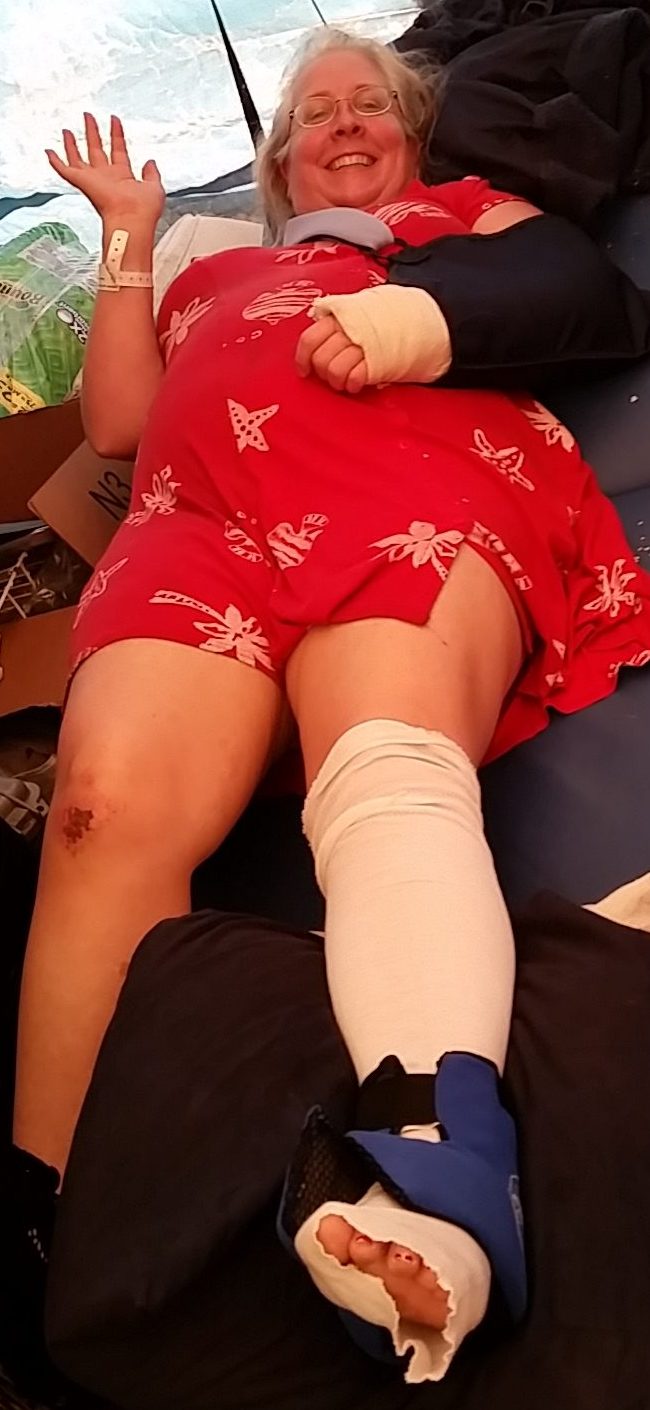
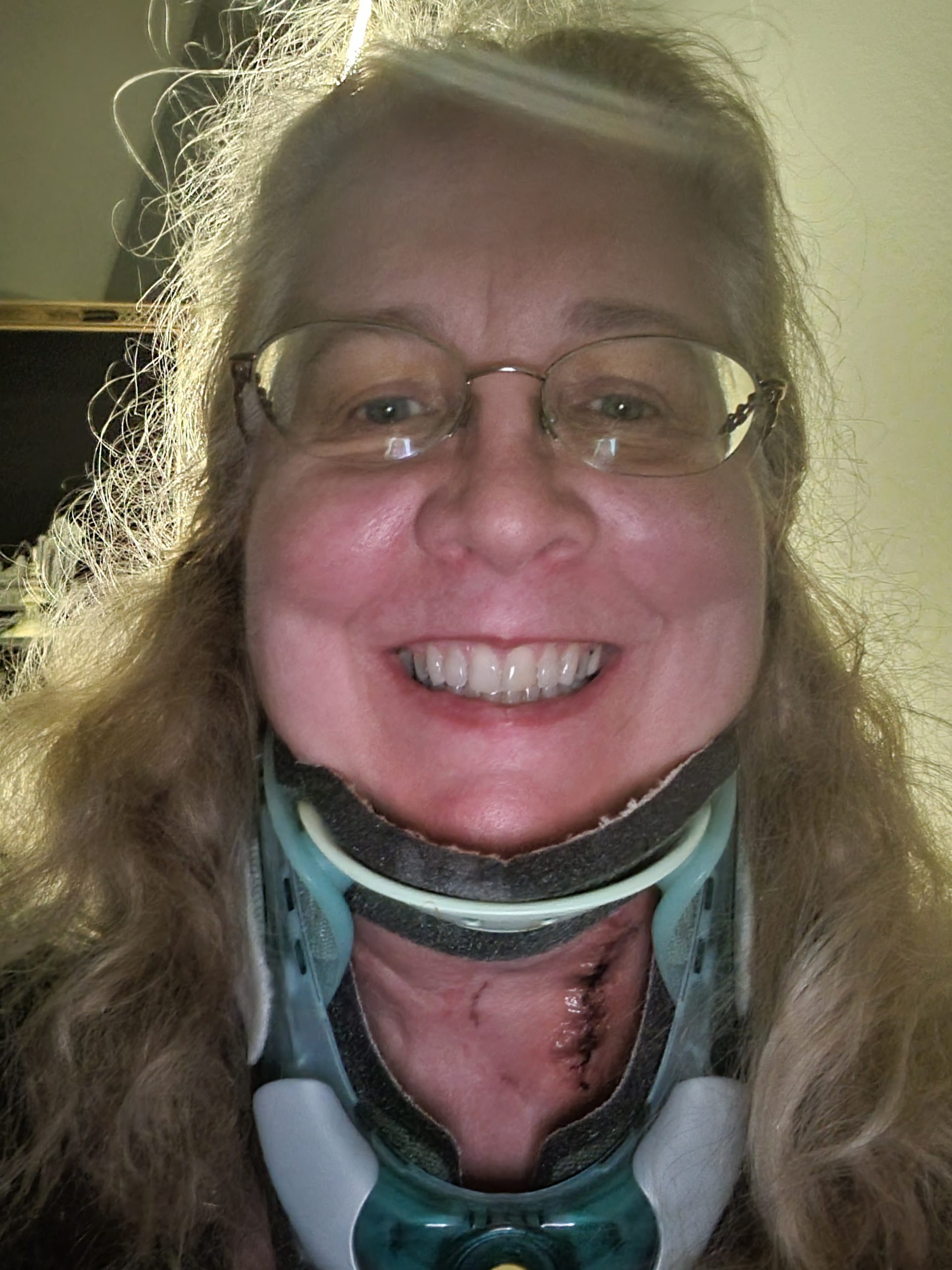
And, after a cervical spine surgery (plus two more a few years later), lumbar spine surgeries, bilateral total knee replacement, a total thyroidectomy, three sinus surgeries, a torn rotator cuff surgery, surgery to put a plate and ten screws in a broken wrist, and the temporary inability to walk or drive, I not only knew it could be done, I knew it needed to be done.
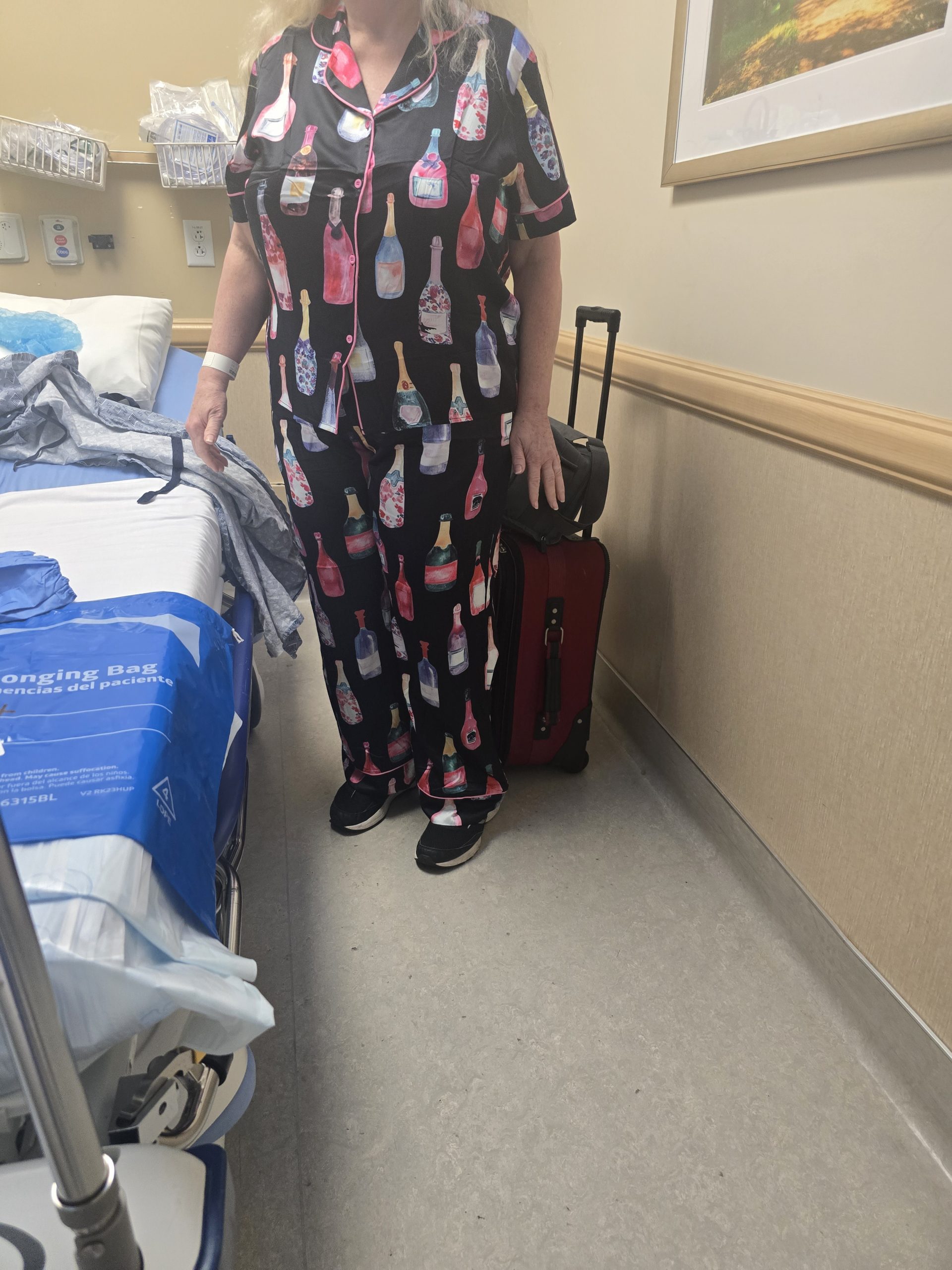
I traversed this health journey while, largely, living alone, thousands of miles from family. It was solely on me to arrange rides, get medications and groceries, have pet care while I was in the hospital or skilled nursing facility, research SNFs, make sure my health insurance was accepted there, get images and records transferred, navigate phone calls while I was trying to sleep and recover, then cook, clean, do laundry and clean litter boxes while partially immobile, once I got home, all the while wondering exactly how long it would be before anyone noticed they hadn't heard from me, if something really bad were to happen.
Fax Machines
Through it all, the one thing that saved me was my technical skills. The bane of my existence, though, is the reliance of the US healthcare system on 50+ year old technology. I live very near a major tech hub, and 500 miles south of the world-famous Silicon Valley. Are you really telling me that there's not a better way?
One time, I needed to get medical records and images from the hospital, to which I'd gone to its emergency room, from there to my primary care physician, then to the orthopedic surgeon. I distinctly remember the very nice lady in the medical records department telling me I could sign the records release form and fax it back to her, or I could stop in and sign the form there, and pick the records and images up then.
Except I couldn't drive and, please, tell me how many people have a fax machine in their home. Although this was 11 years ago, very few people had land lines any more. And fax machines require land lines.
I solved the problem by having the form emailed to me, printing it, standing on my broken ankle just long enough to sign it and scan it in, then emailing it to the office, which had a fax machine and the assistant manager graciously faxed the release form for me.
Home-based Technology
I was painfully reminded just a few days ago (March, 2026) that the healthcare system does not, in many cases, account for the reality that most people do not have a printer / scanner / copier / fax machine in their home. If they cannot drive to FedEx, Staples, or another office store, how, exactly, do they get these things done? If they live in a rural, or semi-rural area, does their healthcare suffer due to a lack of technology access?
Beyond the technical challenges of the healthcare system, I think constantly of going to high school in a semi-rural area. Weather and distance often required people to rely on one another. Sleet could cause a week long power outage, and I had three consecutive weeks off school when the Blizzard of '78 dumped enough snow on the roof of my high school to cause it to partially collapse.
Neighbors helped neighbors because there was no one else.
Less than a year before writing this website page, I traveled through some of those same semi-rural and rural communities near where I grew up and, with Life Backup Plan heavily on my mind, saw the difference it could make in urban, suburban, and rural areas alike.
My childhood included ten years of blissful summers at a cottage in very rural Michigan. I think of that now and wonder, "What if? Who would've / could've helped, if a serious safety or medical situation had arisen?"
These experiences imbued in me the importance of preparedness, communication, and mutual support.
Thus I began with the scenario of "something bad has happened to me," and the questions of, "How does anyone know? How does help get into my home? Will they get there fast enough? Is there anyone nearby who can help faster? How do first responders and healthcare workers know my medical history? Who cares for my cats while I'm gone? Are there ways to mitigate the expense of this?"
And, lastly, the scariest question of all, "What if something goes really wrong, and decisions have to be made about life support, long term care, incapacitation, final wishes, my belongings and care of my beloved cats? Who has that information? Do they know where it is? Can they be quickly reached? What do I want done with my things and my cats?" As a foster pet parent and involved in cat rescue for nearly 25 years, I've read far too many horror stories of animals being abandoned in shelters or, worse yet, left on the street after their owner dies or goes into a nursing home. I am currently fostering a beautiful little girl cat who has, I've recently realized, been dumped by her people.
I love my cats far too much to let that happen to them. I thought to myself, "Things need to be written down, plans need to be made, people need to know my intentions and, most important of all, they need to have ready access to the documents if the need arises."
Life Backup Plan is the result of those questions. It got that name because of my lengthy career in information technology. IT is famous te for having backups - and backups of backups and more backups. I even worked for a backup tape drive manufacturer for a while. I have backups on the brain. As an aside, I have a story I heard at a storage networking conference many moons ago, about how an off-site backup facility saved a company after September 11th. I'm happy to tell it, in a different format.
Far beyond backups, though, is everyday life. Ask me how I know that most of the relevant medical information happens outside a doctor's office.
Many years ago, I got hooked on, "ER." I've watched every episode at least thrice, still watch "Grey's Anatomy, The Pitt, Doc, Chicago Med," and have watched every other medical drama in the past many decades. I am enthralled at the challenges healthcare workers face every day. They face life-and-death decisions on nearly an hourly basis with a lack of resources and patient information history, yet, somehow, manage to keep their patients alive and ticking.
I remain fascinated by the TV medical dramas, some more realistic than others. I am keenly aware of the burden on healthcare workers, and their burnout, especially after COVID-19. I not only want to improve outcomes in emergencies, I want to catch chronic problems faster, lower healthcare worker burden, reduce costs, make the healthcare system far more efficient via vastly better information, and create a more value-based, patient-centered, healthcare adjacent infrastructure to improve outcomes, and mitigate stress for all involved.
Which brings me to
the 5 M's of Health and Safety™
Key Capabilities
The Five M’s of Health and Safety™ framework helps Life Backup Plan organize the information, signals, and support structures that influence outcomes across everyday life and urgent situations.
Monitoring
Stay aware of changes in health, safety, or daily patterns that may signal emerging needs or risks.
Medicine
Secure organization and sharing of personal health information, medications, history, and care instructions when needed.
Metrics
Structured health and wellness information that helps individuals and caregivers recognize trends and make informed decisions.
Money
Visibility into factors that influence cost of care, disruptions, and avoidable events through earlier awareness and preparation.
Membership
Connection to the communities, organizations, and relationships that shape daily life, identity, communication, and support.
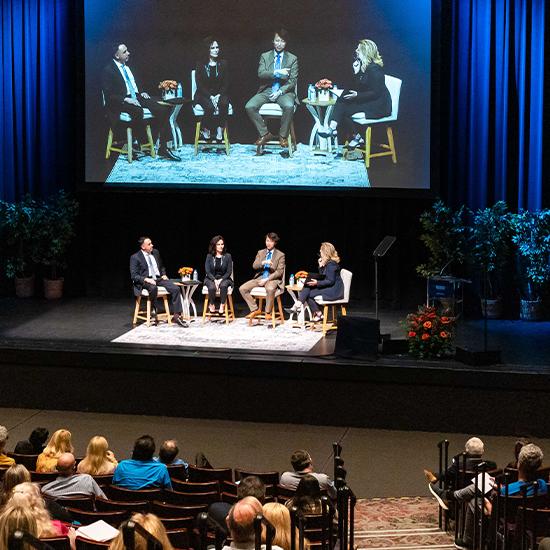
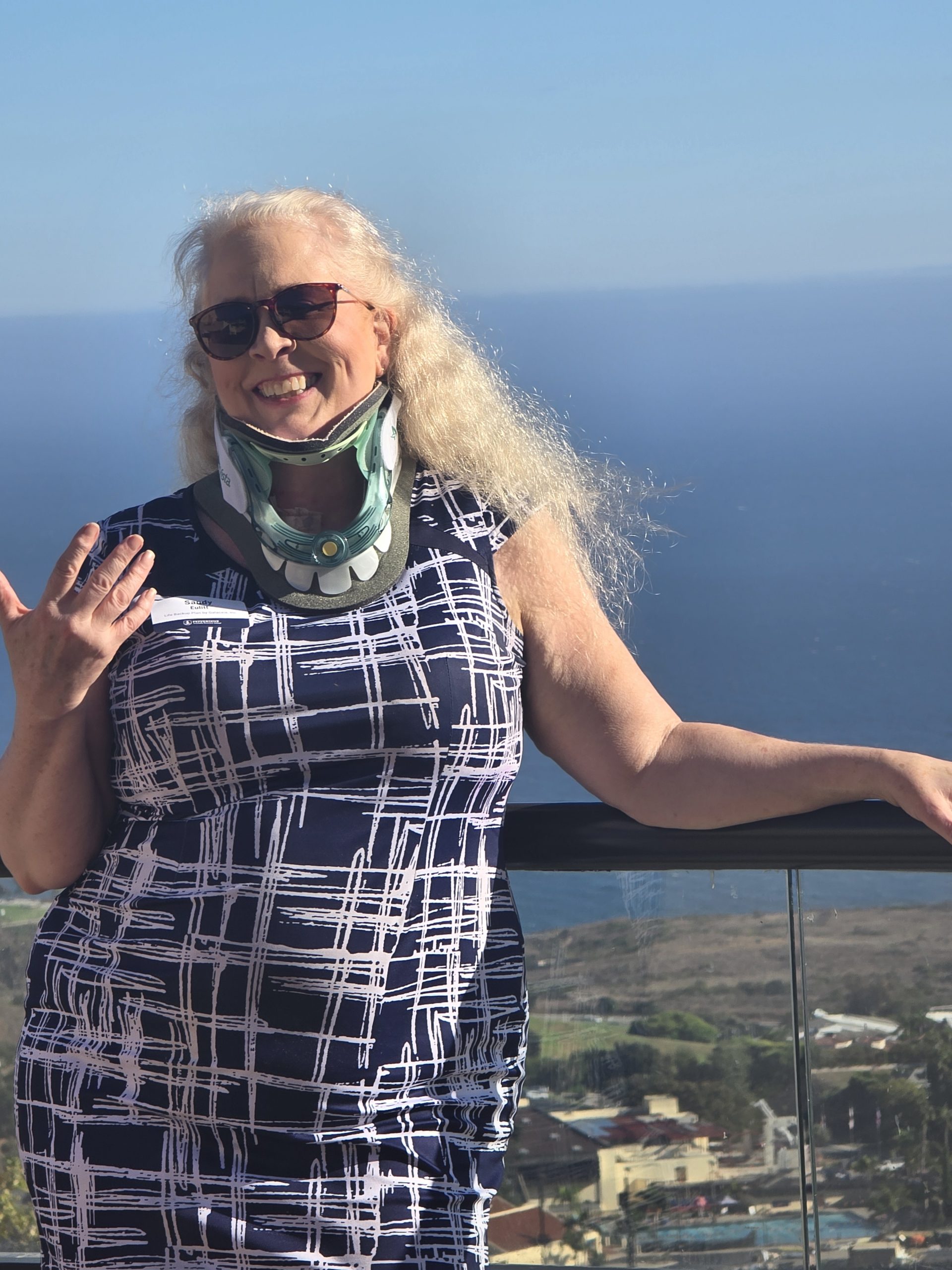
Pepperdine Future of Healthcare Symposium, Malibu, California, March, 2026
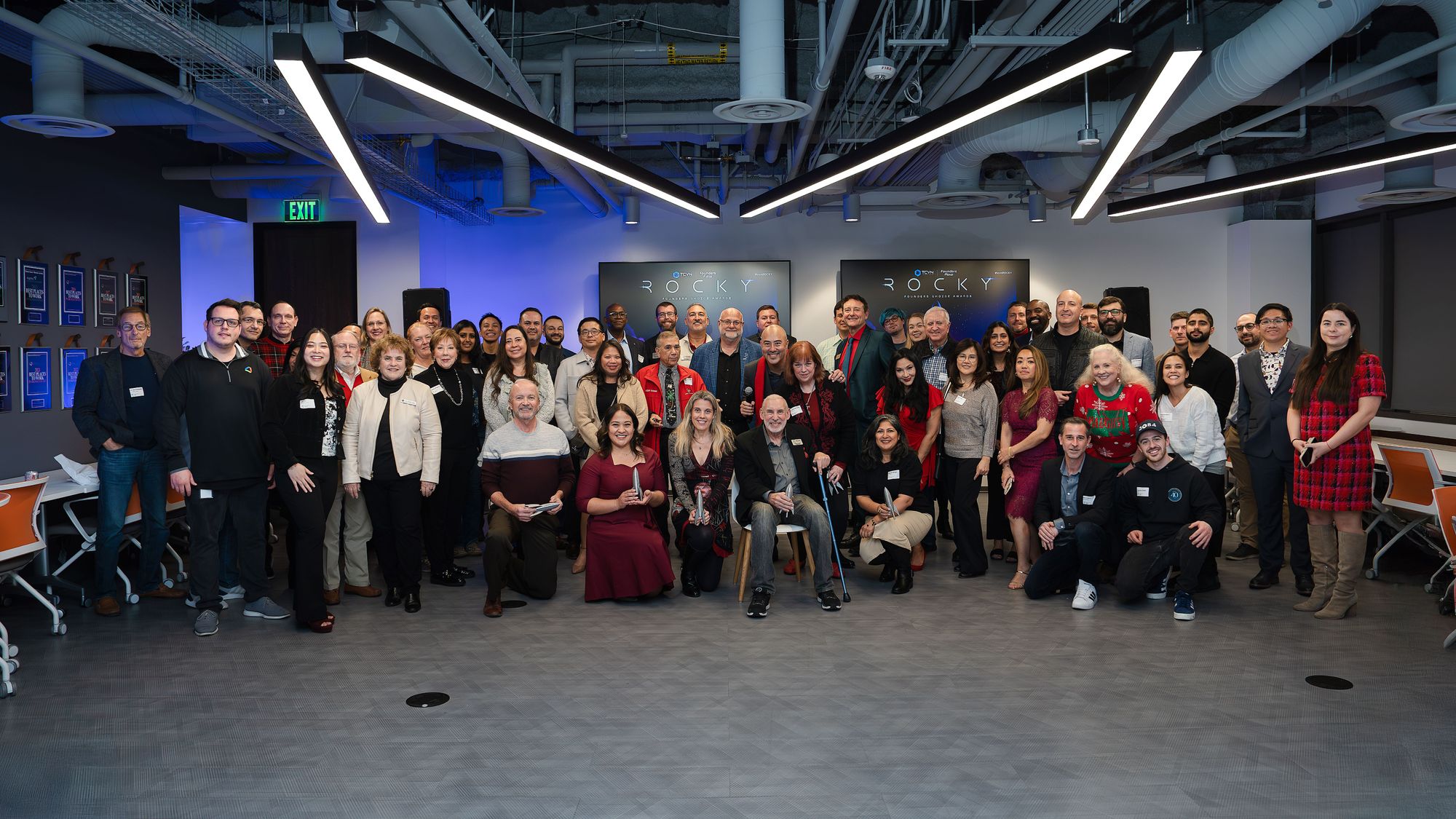
Tech Coast Venture Network (TCVN) Rocky Awards, December, 2024
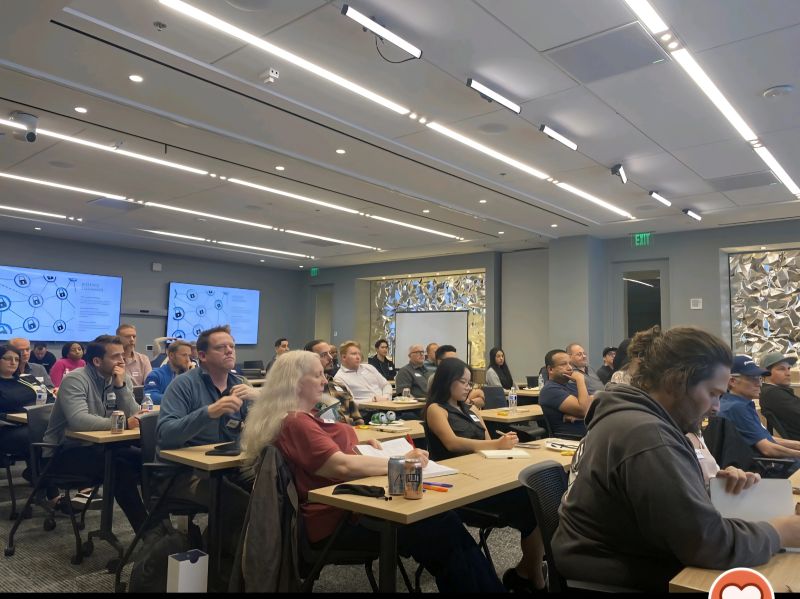
Cloud Security Alliance (CSA) Orange County Chapter, February, 2026
Selected Professional and Innovation Ecosystem Participation
Active participation in healthcare innovation, cybersecurity, startup, and public sector ecosystems informs the development of Life Backup Plan and supports collaboration with partners across industries.
Healthcare and Innovation
- Pepperdine Most Fundable Companies participant (2025), Advanced to Second Round; earened "Great Potential" recognition Pepperdine Most Fundable Companies Competition
- Pepperdine Future of Healthcare Symposium (2025, 2026) Pepperdine University Future of Healthcare Symposium
- City of Hope Women’s Entrepreneurship Summit (2026)
- Global Entrepreneurship Conference (2025) Global Entrepreneurship Conference
- OC Innovation Week (2024, 2025) Orange County Innovation Week
- SoCal Startup Day (2023–2025) SoCal Startup Day
- Quantum eMotion Women in Tech Summit (2025, 2026) Quantum eMotion Women in Tech Symposium
Investor and Startup Ecosystem
- TiE SoCal Global Women’s Pitch Competition participant (2024) TiE SoCal
- Tech Coast Venture Network lifetime member (2024 - present) Tech Coast Venture Network
- Tech Coast Angels Venture Group programming participant (2023 - present) Tech Coast Angels Venture Group
- Startup Council member (2022 - present) Startup Council
- TiE SoCal Global Angel Investor Summit (2024, 2025) TiE SoCal Global Angel Investors Summit
- TechCon SoCal Startup Innovation Showcase (2026) TechCon SoCal Startup Innovation Showcase
Cybersecurity and Governance
- Cloud Security Alliance, Orange County, CA Chapter participant (Aug. 2024 - present) Cloud Security Alliance
- San Diego CyberSecurity Summit (2025) San Diego CyberSecurity Summit
Public Sector and Commercialization Pathways
- Orange County Inland Empire Small Business Development Center (OCIE SBDC) Southern California Contracting Conference (2024, 2025) Southern California Contracting Conference
Community Engagement Related to Safety and Aging
Engagement with organizations supporting vulnerable populations, including domestic violence prevention and aging in place initiatives::
- Saahas for Cause Saahas for Cause
- Council on Aging Southern California Council on Aging Southern California
- participation in programming related to domestic violence prevention and survivor support Purdue University Human Options
As featured in ...
Major National Media, Trusted Health and Wellness Publications, and highlighted in Local Community News
Coverage includes Apple News, AP, MarketWatch, TradingView, Healthcare Reform News Today, and more.
Certifications
Life Backup Plan by Galacxia, Inc is very proudly a Certified Woman Owned Small Business (WOSB) by the Small Business Administration.
Getting this certification is no easy feat. I applied once, waited several months, and got rejected. I applied again, with the guidance of Karla Gonzalez of the OCIE SBDC, without whom this would have never happened.
After several months of waiting for my application to be reviewed, and four rounds of submitting additional documentation, some of it duplicates to what I'd already submitted, I was, miraculously, approved in May, 2024. I couldn't be prouder and happier. I don't think rocket science was as arduous as getting this WOSB certification, and I've done rocket science.
The WOSB Certification opens doors to contracts being let by the federal government, which is mandated to set aside at least 5% of contracts per year.

Small Business Administration (SBA) Woman Owned Small Business IWOSB) Certification.

California Department of General Services Small Business Certification for Cal eProcure
The Small Business Certification available from the California Department of General Services (DGS) is accepted by all government agencies in California. California is mandated to set aside at least 25% of awards to go to small businesses. Small Businesses also get a 5% bid preference.
With the LA 2028 Olympics just around the corner, Sofi Stadium hosting Super Bowl LXI in 2027, FIFA World Cup coming to Los Angeles in June, 2026, the NBA All-Star Game coming February, 2026, and the US Women's Open Championship at the Riviera Country Club, we're eager to put our Small Business Certification to work.
The Women’s Business Enterprise through the California Public Utilities Commission Supplier Clearinghouse was far easier, and only took a couple weeks. California contracting agencies are mandated to set aside 25% of their contracts for small businesses each year.

California Public Utilities Commission Supplier Clearinghouse Women's Business Enterprise certification.
Continue Exploring Life Backup Plan
See how Life Backup Plan brings essential health, safety and emergency information together in one secure, connected platform.